4444 Davidson Road, Hilliard, Ohio 43026

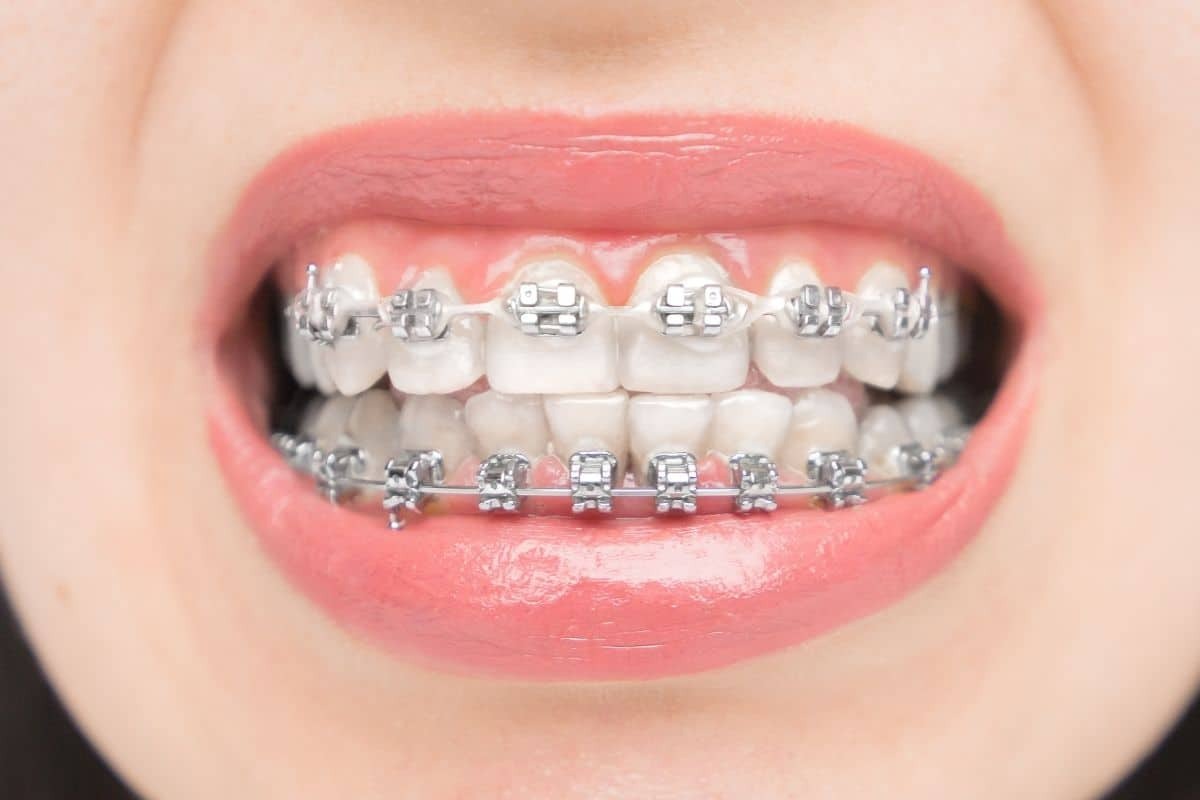
A lot of adults assume braces are something you either got as a teenager or missed out on entirely. But that’s simply not the case, and it’s a misconception worth clearing up, because there’s no upper age limit on straightening your teeth. Teeth can move at any age, and the process works essentially the same way for adults as it does for younger patients, with a few extra considerations worth understanding along the way.
At Spoonhower Orthodontics Hilliard, Dr. Christopher Spoonhower sees adult patients come in for evaluations on a regular basis, and one of the first things he tends to clear up is that age simply isn’t a barrier to treatment. Adult teeth respond to orthodontic pressure the same way younger teeth do; it’s really a matter of understanding what to expect along the way.
Why Age Isn’t the Deciding Factor?
Tooth movement happens because of a biological process involving the ligaments and bone surrounding each tooth, and that process doesn’t stop working once someone reaches adulthood. Dental braces apply gentle, consistent pressure that gradually shifts teeth into a new position, regardless of whether the patient is fourteen or fifty-four.
What does change with age is that adult teeth and jawbone have finished growing, which means treatment relies purely on moving teeth rather than also guiding jaw development, something orthodontists factor into treatment planning for younger patients. This doesn’t make treatment less effective; it just means the approach may look slightly different.
What’s Actually Different About Adult Orthodontic Treatment
A few factors tend to come up more often in adult cases than in younger patients, and it’s worth understanding them going in.
Treatment timelines can vary: Depending on the complexity of the case and how the teeth respond, some adults see slightly longer timelines than a teenager might for a similar amount of movement, though this varies quite a bit from person to person.
Existing dental work needs to be factored in: Adults are more likely to have crowns, bridges, fillings, or missing teeth that need to be accounted for during treatment planning, which isn’t usually a concern for younger patients.
Gum health matters more: Since gum disease becomes more common with age, an orthodontist will typically want to confirm gum health is stable before starting treatment, since healthy gum tissue is important for teeth to move properly and safely.
More discreet options are available: Clear aligners and less visible bracket systems have made adult treatment far more appealing for people who don’t want traditional metal brackets to be the first thing people notice.
Common Reasons Adults Seek Braces
There are a few reasons adult patients tend to come in for an evaluation, and it’s rarely just about appearance.
Some adults never had access to orthodontic treatment growing up and are finally addressing it later in life. Others had braces as a teenager but didn’t wear their retainer consistently, allowing teeth to shift back over the years. Some are dealing with new bite issues that developed gradually, like increased spacing or crowding that wasn’t present before. And for some, it’s simply about addressing discomfort, like jaw strain or uneven wear on certain teeth, caused by a misaligned bite that’s worsened over time.
Is There Ever a Reason Someone Might Not Be a Candidate?
Age itself isn’t a disqualifying factor, but a few things are worth evaluating before starting treatment. Significant, untreated gum disease usually needs to be addressed first, since moving teeth through unhealthy gum tissue isn’t advisable. Severe bone loss can also affect how well teeth respond to orthodontic pressure, though this varies by individual and is something an orthodontist evaluates through an exam and imaging, not assumption.
A proper evaluation is really the only way to know for sure whether someone is a good candidate, rather than assuming based on age alone.
What an Adult Consultation Typically Involves
An initial consultation usually starts with an exam, some imaging to assess the position of the teeth and jaw, and a conversation about the patient’s specific goals, whether that’s addressing crowding, spacing, bite issues, or simply wanting a straighter smile. From there, an orthodontist can walk through the treatment options that make the most sense for that particular case, along with a realistic timeline.
If you’ve been putting off asking about braces because you assumed you’d aged out of the option, contact us to schedule a consultation and get a clear answer based on your specific situation.
The Bottom Line for Adults Considering Braces
There’s genuinely no such thing as being “too old” for braces. Plenty of adults start orthodontic treatment well into their thirties, forties, fifties, and beyond, and see the same kind of results as younger patients, sometimes even benefiting from a bit more patience and consistency with wear time compared to a typical teenager.
Start Your Smile Journey Anytime
Age really isn’t the barrier people assume it is when it comes to straightening teeth. If you’ve been considering braces for yourself, visit our dental office to learn about your treatment options and discover how orthodontic care can help you achieve a healthier, more confident smile at any stage of life.
Related Articles

Let’s Build You a Smile
You’ll Be Proud Of.