4444 Davidson Road, Hilliard, Ohio 43026

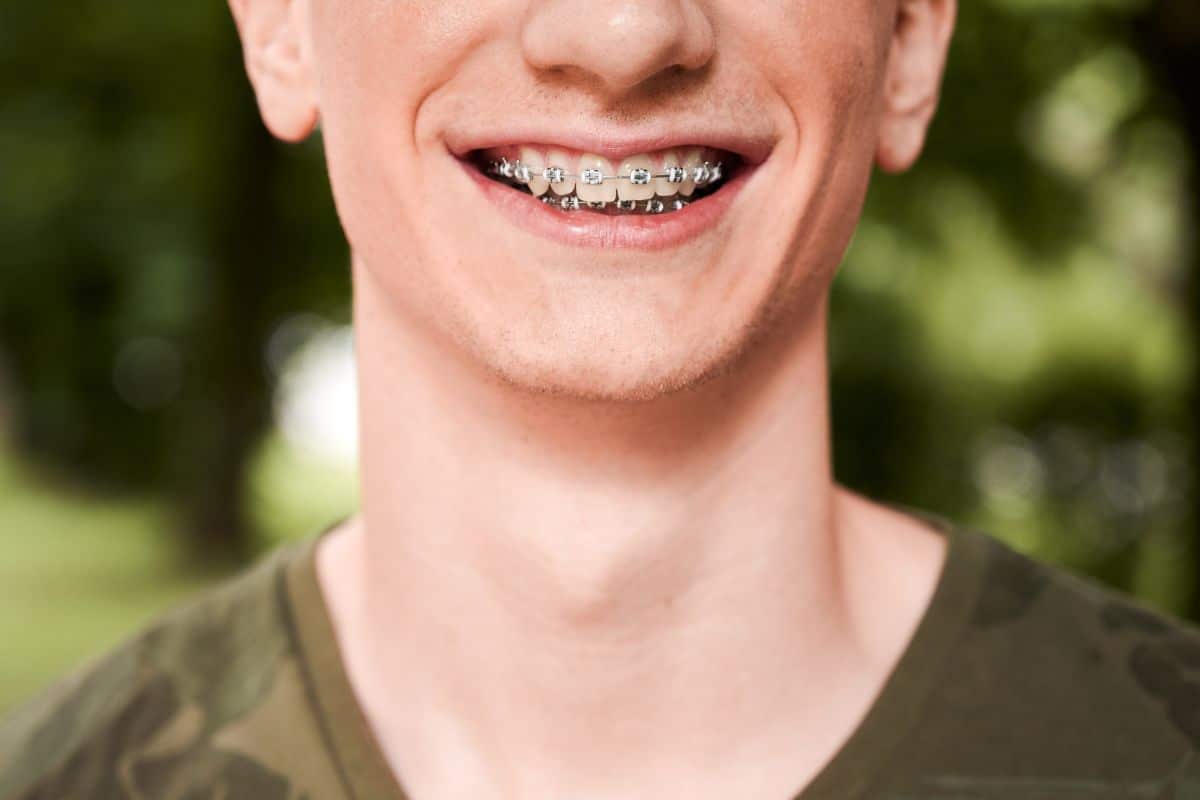
It’s not unusual for most teeth to respond well to dental braces while one particular tooth seems to be lagging behind or barely moving at all. This can be frustrating, especially when everything else appears to be progressing as expected. Understanding the possible reasons behind this can help make sense of what’s going on and what typically needs to happen to get that tooth back on track.
Common Reasons One Tooth Might Resist Movement
Ankylosis: This occurs when a tooth’s root becomes fused directly to the surrounding jawbone, rather than being held in place by the normal ligament that allows for gradual movement. An ankylosed tooth essentially can’t respond to the pressure from braces the way a typical tooth would, since it’s rigidly attached to the bone itself.
Insufficient force reaching that specific tooth: Sometimes the wire or bracket configuration isn’t applying quite enough pressure to a particular tooth, especially if it’s positioned in a way that makes it harder to engage fully, like being significantly rotated or positioned outside the main arch.
Dense or unusually thick bone in that area: Bone density varies naturally from person to person and even from one area of the jaw to another, and a tooth surrounded by denser bone can sometimes move more slowly than its neighbors.
A loose or displaced bracket: If the bracket on a specific tooth has come loose or shifted slightly out of position, it may not be transmitting force effectively, even if it looks like it’s still attached.
Root resistance from a previous injury: A tooth that’s experienced trauma in the past, even years earlier, can sometimes have altered root structure that affects how it responds to orthodontic force.
The tooth genuinely needs more time: In some cases, a tooth is moving, just more slowly than the others due to its specific starting position or the type of movement required, like rotation, which often takes longer than simple tipping movements.
How This Is Typically Diagnosed
If a tooth isn’t tracking with the rest of the treatment plan, the first step is usually a closer look, sometimes including an X-ray, to determine whether ankylosis or another structural issue is present. This helps distinguish between a tooth that’s simply moving more slowly and one that’s not truly capable of moving at all under normal orthodontic force.
What Happens If a Tooth Is Ankylosed
If ankylosis is confirmed, traditional orthodontic force won’t be effective on that specific tooth, since it’s fused directly to bone rather than connected through the normal ligament. In these cases, treatment options depend on the specific tooth and situation, and might include a minor surgical procedure to help free the tooth, or in some cases, treatment planning that works around the ankylosed tooth rather than attempting to move it.
What Happens If It’s Simply Moving Slowly
If the issue is more about force distribution or the specific type of movement needed, adjustments to the treatment plan can often help. This might involve modifying the wire, adding a specific attachment or additional force to that tooth, or simply allowing more time, since some movements naturally take longer than others depending on the direction and degree of correction needed.
If you’ve noticed one tooth that doesn’t seem to be moving along with the rest during your dental braces treatment, contact us so we can take a closer look and determine exactly what’s going on.
Why This Is Worth Addressing Rather Than Waiting
Leaving a non-responsive tooth unaddressed can affect the overall outcome of treatment, sometimes requiring adjustments to the plan for surrounding teeth to compensate. Identifying the cause early allows for a more targeted solution, whether that’s a treatment adjustment or, if needed, additional evaluation.
A Solvable Part of the Process
A tooth that isn’t moving as expected can be an unexpected bump in orthodontic treatment, but it’s something we’re well equipped to identify and address. Most cases have a clear explanation and a workable solution once properly evaluated.
Let’s Get Every Tooth on Track – We’re Here to Help
If one of your teeth doesn’t seem to be responding the way it should during treatment, we’re happy to take a closer look and figure out what’s going on. At Spoonhower Orthodontics Hilliard, our team can evaluate your progress, address any concerns, and help keep your treatment on track. Request an appointment with our orthodontist in Hilliard today, and let’s keep your treatment moving forward as it should.
Related Articles
Let’s Build You a Smile
You’ll Be Proud Of.