4444 Davidson Road, Hilliard, Ohio 43026
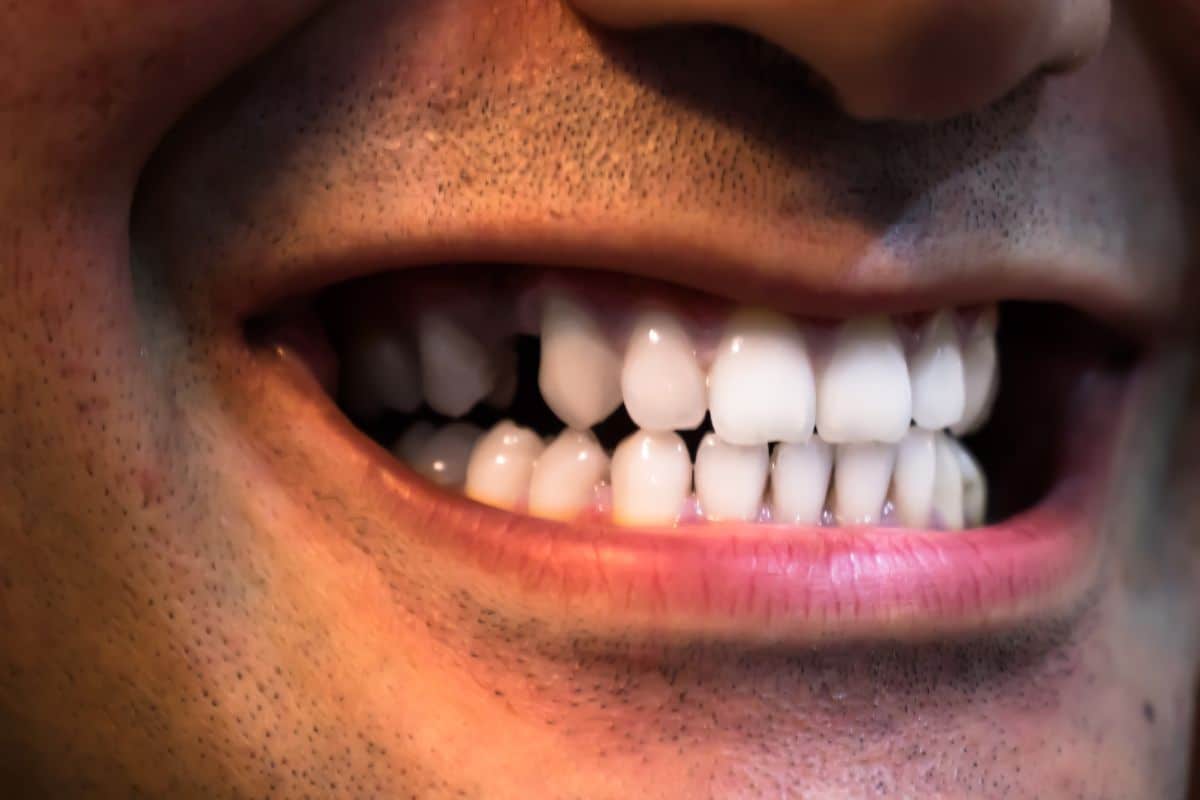
It’s a common assumption that straight teeth automatically mean a properly functioning bite, but that’s not always the case. At Spoonhower Orthodontics Hilliard, we see patients fairly often who are confused by this exact situation: their teeth appear perfectly aligned when they look in the mirror, yet something still feels off when they bite down. Understanding why this happens requires looking a bit deeper than just the visible alignment of the teeth.
Why Appearance and Function Aren’t Always the Same Thing
Straightness typically refers to how teeth look when viewed from the front, whether they’re crowded, gapped, or rotated. A properly functioning bite, on the other hand, is about how the upper and lower teeth actually meet and interact when you close your mouth, chew, or speak. It’s entirely possible for teeth to look visually aligned while the way they come together is still slightly off.
Common Reasons for an Uneven-Feeling Bite With Straight-Looking Teeth
A vertical discrepancy: Sometimes teeth are aligned side to side but not evenly in terms of height, meaning certain teeth touch before others when biting down, even though nothing looks crooked from a front-facing view. This is sometimes called a “high spot” and can create a persistent feeling of unevenness.
Jaw position issues: The alignment of the jaw itself, rather than the teeth, can be the actual source of the problem. If the upper and lower jaw aren’t meeting in an ideal position, teeth can look straight individually while the overall bite still feels off.
Subtle rotation not visible from the front: A tooth can be rotated just enough to affect how it contacts its opposing tooth without being obviously visible when looking straight into a mirror, particularly for back teeth that aren’t easily seen without a dental exam.
Recent dental work: A new filling, crown, or other restoration that’s slightly high can throw off the bite in a very localized way, even if it doesn’t affect the overall visible straightness of the teeth at all.
Muscle tension or jaw habits: Sometimes the sensation of an uneven bite isn’t purely about tooth position at all, but relates to jaw muscle tension, clenching, or grinding, which can create a subjective feeling of imbalance even when the teeth themselves are meeting appropriately.
Retainer relapse after orthodontic treatment: If retainer wear wasn’t fully consistent after previous treatment, teeth can shift just slightly, enough to affect bite contact without necessarily creating a visibly crooked appearance.
Why This Feeling Shouldn’t Be Ignored
An uneven bite, even a subtle one, can lead to a number of downstream issues if left unaddressed. Uneven pressure during chewing can accelerate wear on certain teeth over time. It can also contribute to jaw muscle fatigue, tension headaches, or discomfort in the jaw joint itself. In some cases, an uneven bite gradually worsens as the body naturally compensates for the imbalance, making early evaluation and orthodontic care more effective than waiting.
How This Is Typically Diagnosed
Identifying the source of an uneven-feeling bite usually starts with a thorough exam that goes beyond a simple visual check of tooth alignment. This often includes checking how the teeth contact one another at different points during a bite, looking closely at jaw movement and function, and sometimes using specialized markers or paper to identify exactly where teeth are making contact first or too forcefully.
Imaging may also be used to assess jaw position and rule out any structural factors contributing to the sensation.
What Treatment Might Involve
The right approach really depends on what’s identified during the evaluation. If a specific tooth or restoration is the culprit, a straightforward adjustment can sometimes resolve the issue quickly. If the cause is more related to overall tooth position or jaw alignment, orthodontic treatment, sometimes even a relatively minor, targeted course, can help bring the bite into better balance. In cases involving muscle tension or clenching, a nightguard or other supportive approach might be part of the plan alongside addressing any structural factors.
If you’ve been dealing with a bite that just doesn’t feel right, even though your teeth look fine, contact us to schedule an evaluation, and we’ll help pinpoint exactly what’s contributing to that sensation.
Why a Thorough Evaluation Matters Here
Since this kind of concern isn’t always visible on the surface, a proper evaluation is really the only reliable way to understand what’s happening. Assuming everything is fine simply because teeth look straight can mean an underlying issue goes unaddressed longer than necessary, potentially leading to more noticeable problems down the road.
Comfort Matters as Much as Appearance
A great-looking smile is wonderful, but a bite that functions comfortably and evenly matters just as much for long-term oral health. If something feels off, even without an obvious visual explanation, it’s worth having it looked into rather than assuming it’s not a real issue.
Trust Your Instincts About Your Bite
If your bite doesn’t feel right, that sensation is worth taking seriously, even if everything appears fine at a glance. Subtle bite issues are often very treatable once properly identified, and addressing them early tends to be simpler than waiting until the imbalance becomes more pronounced.
Getting to the Bottom of an Uneven Bite
If your bite feels uneven despite straight-looking teeth, we’re happy to take a closer look and help figure out what’s really going on. Visit our dental practice in Hilliard, OH, so we can evaluate your bite and help you understand what may be causing the issue.
Related Articles
Let’s Build You a Smile
You’ll Be Proud Of.