4444 Davidson Road, Hilliard, Ohio 43026

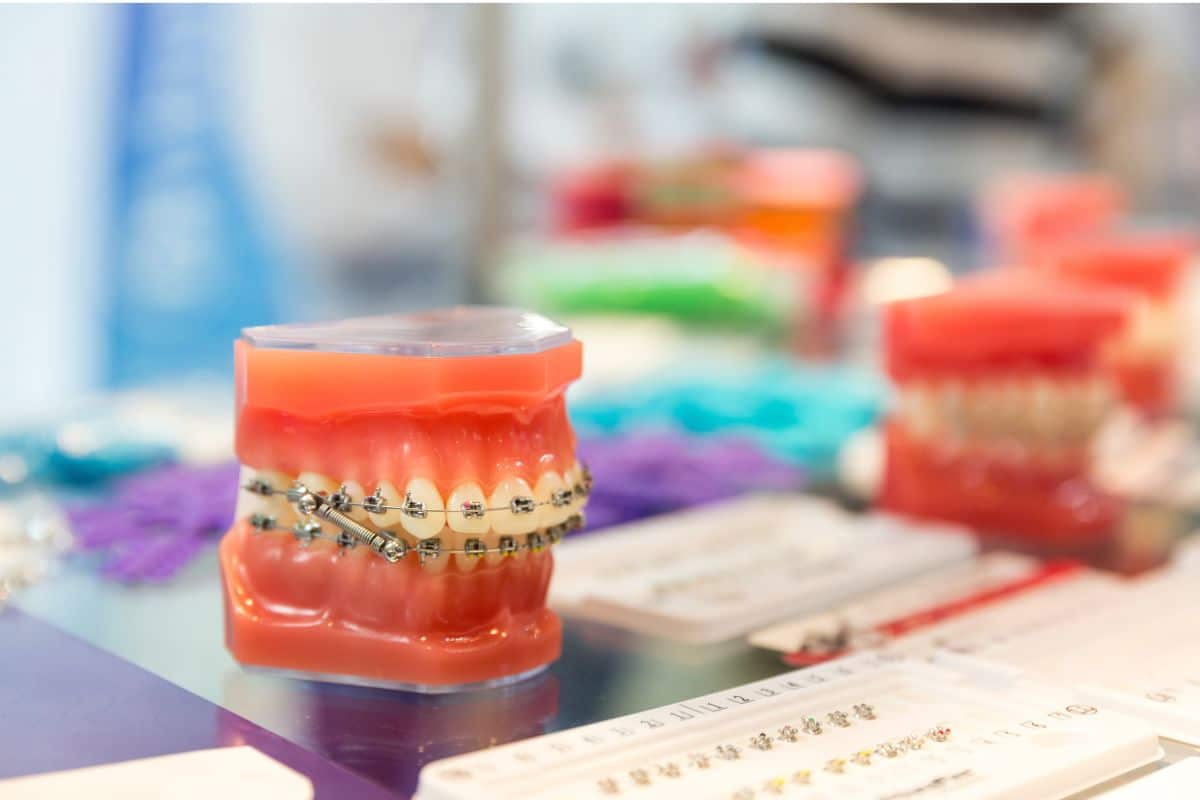
If you have been wearing orthodontic rubber bands and suddenly notice that your bite feels different, you may wonder whether something is wrong. Your teeth may touch differently when you close your mouth, one side may feel slightly higher than the other, or your bite may simply feel unfamiliar.
In many cases, these changes are related to the way rubber bands are designed to guide teeth and the jaws into new positions. Because orthodontic treatment works by applying controlled forces over time, it is normal for your bite to feel different as your teeth move.
Still, there is an important difference between a bite that feels temporarily unusual and a bite that may need to be checked by your orthodontic team.
What Do Orthodontic Rubber Bands Do?
Orthodontic rubber bands, also called elastics, provide an additional force that braces or other orthodontic appliances cannot always create on their own.
Depending on your treatment plan, the bands may connect teeth in the upper and lower arches. Their purpose can include improving the way the upper and lower teeth fit together.
Your orthodontist determines where the bands should be placed and how long they should be worn. Because the direction of the force matters, wearing them exactly as instructed is an important part of orthodontic treatment.
Why Does My Bite Feel Different?
The most common reason is simple: your teeth are moving.
When you wear rubber bands consistently, they place pressure on specific teeth and supporting structures. Over time, this can change the relationship between your upper and lower teeth.
As your bite changes, you may notice:
- Your teeth touching in a different place.
- One or more teeth feeling slightly higher or lower.
- Your back teeth contacting differently.
- Your front teeth feeling like they meet differently.
- Your jaw feeling unfamiliar when you close your mouth.
These sensations can be especially noticeable after starting a new elastic pattern or changing to a stronger configuration.
Is a Different Bite a Sign That the Rubber Bands Are Working?
A change in how your bite feels can occur as teeth move, but you should not use the sensation alone to determine whether treatment is progressing correctly.
Orthodontic treatment involves more than simply making teeth look straighter. Your orthodontist is also monitoring the relationship between your upper and lower teeth.
Your bite may temporarily feel unusual while the teeth are moving toward the planned position. Your orthodontist uses examinations and other records to determine whether the movement is progressing as expected.
Why Does My Bite Feel Uneven?
You might notice that your teeth seem to meet more on one side than the other.
This can happen during active tooth movement because not every tooth moves at exactly the same speed. Orthodontic treatment is often a gradual process, and your bite may pass through several temporary positions before reaching the final result.
This is one reason it is important not to make changes to your elastic placement on your own.
Changing the configuration can alter the direction of force and potentially affect the treatment plan.
Should I Stop Wearing My Rubber Bands?
Do not stop wearing your elastics simply because your bite feels different unless your orthodontist tells you to do so.
Rubber bands are prescribed for a specific reason, and inconsistent wear can interfere with the planned movement. If you are experiencing significant discomfort or are concerned that your bite has changed dramatically, contact your orthodontic office for guidance.
Your orthodontist can determine whether the sensation is an expected part of treatment or whether an adjustment is needed.
What If My Bite Feels Better Without the Bands?
You may notice that your bite feels more familiar when you remove your elastics. That does not necessarily mean the bands are causing a problem.
The teeth and jaw can become accustomed to a particular position. When the elastics change the forces acting on your teeth, your bite can feel different even when the movement is part of your treatment plan.
Think of it as your mouth adapting to a changing position.
The goal is not necessarily for your bite to feel identical every day during orthodontic treatment. The goal is for your teeth and bite to gradually move toward the position planned by your orthodontist.
When Should You Contact Your Orthodontist?
A new bite sensation is worth mentioning if it is persistent, severe, or accompanied by other concerns.
Contact your orthodontic team if you notice:
- Significant or worsening pain.
- A tooth becoming unusually loose.
- A bracket or appliance breaking.
- Your elastics repeatedly snapping.
- Difficulty opening or closing your mouth.
- A major change in your bite that concerns you.
- Swelling or other unusual symptoms.
You should also ask for help if you are unsure where your rubber bands belong. Wearing an elastic in the wrong position can change the force being applied to your teeth.
Follow Your Elastic Instructions Carefully
One of the most important parts of wearing rubber bands is consistency.
Your orthodontist may provide specific instructions about:
- Which teeth the elastic should connect.
- How many bands to wear.
- How often to replace them.
- How long to wear them each day.
- Whether you should remove them for eating or brushing.
Follow those instructions rather than copying an elastic pattern from someone else’s treatment. Two people may have braces but completely different bite problems and treatment goals.
How Rubber Bands Fit Into Orthodontic Treatment
Rubber bands are only one part of a broader orthodontic plan. Braces, aligners, retainers, expanders, and other appliances may each play different roles depending on the patient’s needs.
At Spoonhower Orthodontics Hilliard, we plan treatment around the individual’s bite and tooth alignment. The purpose of elastics is not simply to move teeth randomly but to apply specific forces that support the desired correction.
Regular appointments allow the orthodontic team to monitor those changes and determine whether adjustments are needed.
Conclusion: A Changing Bite Can Be Part of the Process
If your bite feels different after wearing rubber bands, it may simply reflect the fact that your teeth are moving. Temporary changes in how your teeth touch can happen during orthodontic treatment.
However, you should not have to guess whether a particular change is normal. If your bite feels significantly different, painful, or concerning, let your orthodontist evaluate it.
If you have questions about your rubber bands or orthodontic treatment, visit our dental office in Hilliard, OH, for guidance.
Related Articles
Let’s Build You a Smile
You’ll Be Proud Of.