4444 Davidson Road, Hilliard, Ohio 43026


If you’ve been thinking about straightening your teeth but aren’t excited about the idea of wearing metal braces, you’re not alone. Many teens and adults want a treatment that fits comfortably into their daily lives while still delivering noticeable results. That’s one reason Clear Aligners have become a popular option for creating healthier, straighter smiles without the appearance of traditional braces.
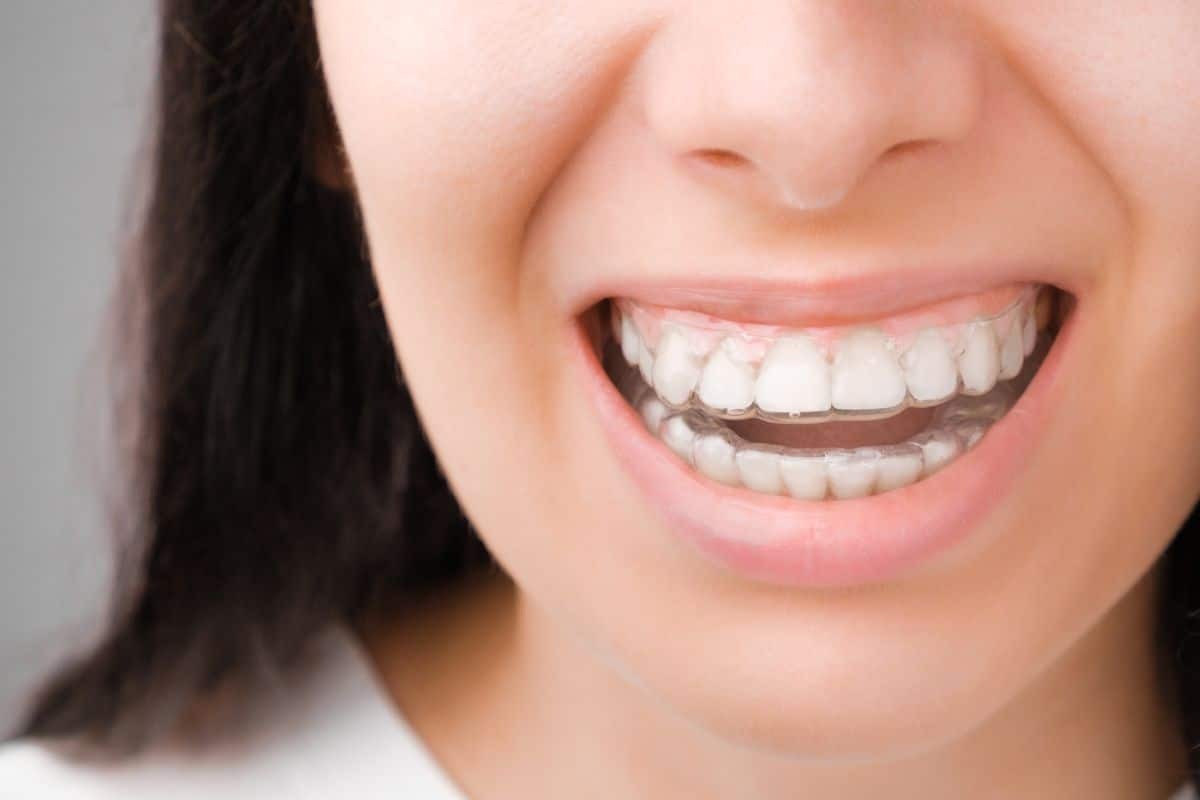
Unlike braces that rely on brackets and wires, Invisalign uses a series of nearly invisible aligners that gradually move your teeth into better positions. Each set is carefully designed to continue the progress made by the previous one, making treatment more comfortable and predictable over time.
At Spoonhower Orthodontics Hilliard, we believe patients feel more confident when they understand how their treatment works. Knowing what to expect from the first consultation through the final retainer can help you feel prepared and excited about your smile transformation. In this guide, we’ll explain each step of the Invisalign process so you know exactly how treatment works and what happens along the way.
What Is Invisalign and How Does It Straighten Teeth?
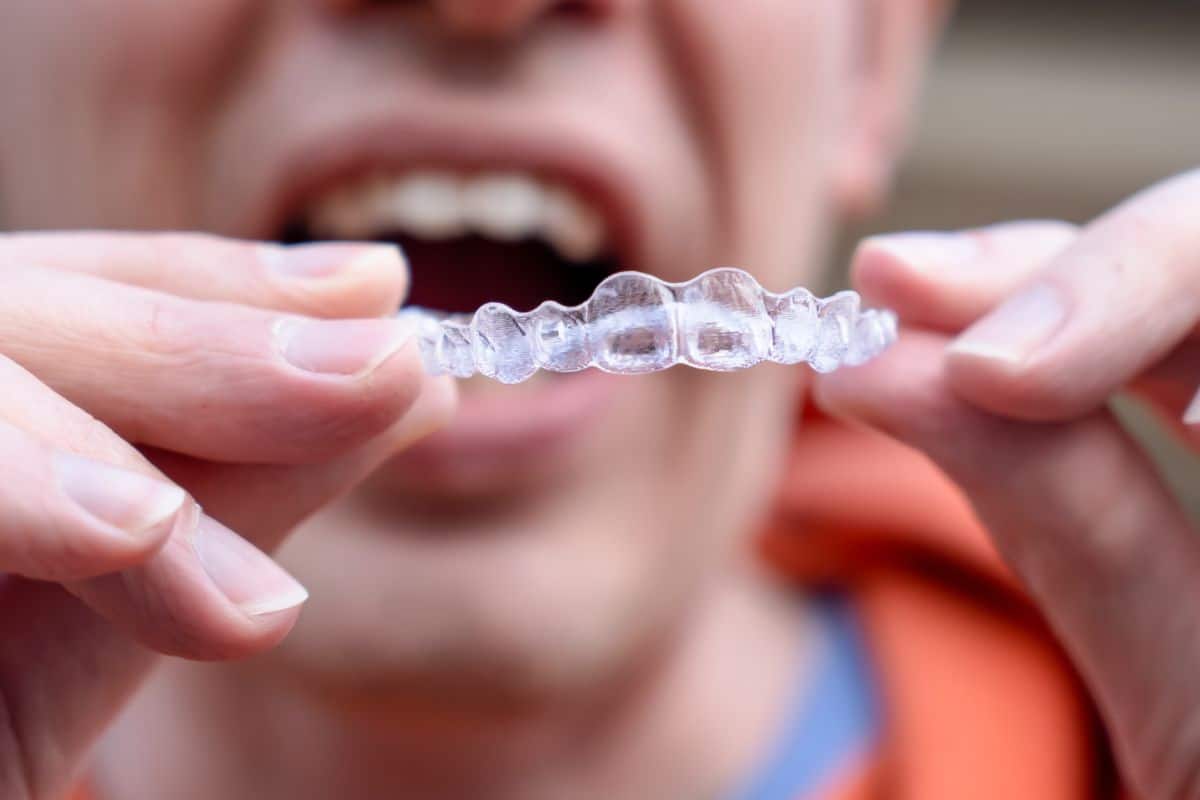
Clear Aligners is an orthodontic treatment that uses custom-made, clear plastic aligners to gently move teeth into their ideal positions. Every aligner is created specifically for your smile, ensuring that each stage of treatment moves your teeth a little closer to the final result.
Rather than applying continuous force like traditional braces, Invisalign works through a carefully planned sequence of aligners. Each new aligner is slightly different from the last, allowing your teeth to shift gradually while minimizing discomfort.
Many orthodontic concerns can be treated with Invisalign, including:
- Crowded teeth
- Spaces between teeth
- Mild to moderate overbites
- Underbites
- Crossbites
- Open bites
Not every orthodontic case is the same, which is why a professional evaluation is important before beginning treatment.
Step 1: Your Initial Invisalign Consultation
Every Invisalign journey begins with a consultation. This appointment allows your orthodontic team to evaluate your teeth, bite, and overall oral health while learning about your smile goals.
During your visit, you can typically expect:
- A complete orthodontic examination
- Digital scans of your teeth
- Photos of your smile
- X-rays if needed
- A discussion about your concerns and expectations
Digital scanning technology creates an accurate model of your teeth without the messy impressions that many people remember from years ago. These detailed images help build a treatment plan that is unique to your smile.
At this stage, your orthodontist will determine whether Invisalign is the right treatment for your specific needs or if another orthodontic option would provide better results.
Step 2: Creating Your Personalized Treatment Plan
Once you’re approved for Invisalign, the next step is designing your customized treatment plan.
Using advanced digital software, your orthodontist maps out every planned tooth movement from beginning to end. Instead of simply guessing how your teeth will move, each movement is carefully calculated before treatment even begins.
One of the most exciting parts of this process is that many patients can preview a digital simulation showing how their smile is expected to change throughout treatment.
Your treatment plan will also estimate:
- How many aligners you’ll need
- Approximately how long treatment may take
- When you’ll change to the next set of aligners
- Whether attachments or refinements may be necessary later
Although treatment timelines vary from person to person, having a personalized roadmap helps keep everything on track.
Step 3: Receiving Your First Set of Aligners
After your custom aligners are manufactured, you’ll return to receive your first set.
Your orthodontic team will check that the aligners fit properly and show you how to insert and remove them safely.
You’ll also receive instructions on:
- How long to wear them each day
- When to remove them
- How to clean them properly
- How to store them when they’re not being worn
For the best results, Invisalign aligners should generally be worn 20 to 22 hours each day. They should only be removed when eating, drinking anything besides water, brushing, or flossing.
Although you may notice a little pressure when starting a new aligner, this usually means your teeth are responding as planned.
Step 4: Wearing Each Set of Aligners
Each aligner plays a specific role in moving your teeth. Most patients switch to a new set every one to two weeks, depending on their treatment plan.
Every new aligner continues the progress made by the previous one. Because these changes happen gradually, many patients find Invisalign more comfortable than they expected.
Consistency is one of the biggest factors that influences treatment success.
If aligners aren’t worn for the recommended amount of time each day, your teeth may not move as planned. This can delay treatment and may even require additional aligners later.
Some simple habits can help keep your treatment on schedule:
- Wear your aligners as instructed.
- Brush your teeth before putting aligners back in.
- Always store aligners in their protective case.
- Avoid wrapping them in napkins during meals, where they can easily be thrown away.
- Replace each aligner according to your orthodontist’s instructions.
These small daily habits can make a significant difference in your overall treatment experience.
Step 5: Regular Progress Checkups
Even though Invisalign doesn’t require wire adjustments like traditional braces, regular appointments are still an important part of treatment.
During these visits, your orthodontist will monitor how your teeth are moving and make sure everything is progressing according to your treatment plan.
These appointments may include:
- Checking the fit of your aligners
- Evaluating tooth movement
- Answering any questions
- Providing your next sets of aligners
- Making adjustments if necessary
Most appointments are relatively quick, making them easy to fit into a busy schedule.
Staying consistent with your scheduled visits allows your orthodontic team to identify any concerns early and keep your treatment on track.
Step 6: Attachments, Elastics, or Refinements (If Needed)
While many Invisalign treatments progress smoothly with aligners alone, some patients need a few additional tools to help guide certain tooth movements more precisely. These are common parts of treatment and are recommended only when they can improve your results.
One of these tools is called an attachment. Attachments are tiny, tooth-colored shapes bonded to specific teeth. They act like small handles that help the aligners apply pressure in exactly the right places. Because they closely match the color of your teeth, most people hardly notice them.
Some patients may also wear small rubber bands, known as elastics, if their bite needs additional correction. These elastics help improve how the upper and lower teeth fit together.
Toward the end of treatment, your orthodontist may recommend refinement aligners. Refinements are extra aligners designed to make small adjustments after your initial series is complete. Since every person’s teeth respond differently, refinements are a normal part of achieving the best possible outcome.
Step 7: Completing Treatment and Wearing Retainers
Reaching the end of your Invisalign treatment is an exciting milestone, but your journey doesn’t stop when you finish your last aligner.
Once your teeth have moved into their new positions, they’ll naturally want to shift back over time. That’s why wearing a retainer is such an important part of maintaining your results.
Your orthodontist will recommend a retainer schedule based on your individual treatment. Many patients wear retainers full-time for a short period before switching to nighttime wear.
Wearing your retainer as instructed helps:
- Keep your teeth in their new positions
- Protect the results you’ve worked hard to achieve
- Reduce the chances of teeth shifting over time
- Support your long-term oral health
Think of your retainer as the final step in protecting your new smile.
How Long Does Invisalign Treatment Usually Take?
One of the most common questions patients ask is how long Invisalign treatment takes. The answer depends on several factors because every smile is unique.
Many people complete treatment within 12 to 18 months, while some mild cases may take less time and more complex cases may take longer.
Several factors influence your treatment timeline, including:
- The complexity of your orthodontic concerns
- How consistently you wear your aligners
- Whether additional attachments or refinements are needed
- Your body’s natural response to tooth movement
- Following your treatment instructions carefully
The best way to stay on schedule is to wear your aligners for the recommended number of hours each day and attend all follow-up appointments.
Tips to Get the Best Results with Invisalign
Your daily habits can have a significant impact on the success of your treatment. Fortunately, getting the most from Invisalign doesn’t require complicated routines.
Here are a few simple tips that can help:
Wear Your Aligners Consistently
Aim to wear your aligners for 20 to 22 hours every day. The more consistent you are, the more predictable your treatment will be.
Clean Your Aligners Daily
Rinse your aligners whenever you remove them and clean them regularly to help keep them clear and fresh.
Brush and Floss Before Reinserting Them
Food particles trapped between your teeth and aligners can increase the risk of plaque buildup and cavities. Brushing before putting your aligners back in helps maintain good oral hygiene.
Store Them Properly
Always place your aligners in their protective case when they’re not in your mouth. This helps prevent them from being lost or accidentally damaged.
Keep Every Scheduled Appointment
Routine checkups allow your orthodontic team to monitor your progress and make sure everything is moving according to plan.
Is Invisalign Right for Everyone?
Invisalign is an excellent option for many patients, but it isn’t the ideal solution for every orthodontic concern.
People with mild to moderate crowding, spacing issues, or bite problems often benefit from clear aligner treatment. However, some complex cases involving significant jaw alignment or severe tooth movement may require traditional braces or another orthodontic approach.
The only way to know which treatment is right for you is through a comprehensive evaluation. Your orthodontist will examine your teeth, discuss your goals, and recommend the option that offers the healthiest, most predictable results.
Common Mistakes That Can Delay Invisalign Treatment
Even with a carefully planned treatment, certain habits can slow your progress.
Here are some common mistakes to avoid:
Not Wearing Aligners Long Enough
Removing your aligners too often can prevent your teeth from moving as expected.
Skipping Follow-Up Visits
Regular appointments help identify small issues before they become larger delays.
Losing Your Aligners
Misplacing an aligner can interrupt your treatment schedule. Always keep them in their case when they’re not being worn.
Eating While Wearing Aligners
Chewing with aligners can damage or stain them. Remove them before eating or drinking anything other than water.
Changing Aligners Too Early
Each aligner is designed to be worn for a specific amount of time. Switching ahead of schedule may affect how your teeth move.
Following your orthodontist’s instructions throughout treatment helps you stay on track and achieve the best possible results.
Transform Your Smile With Advanced Orthodontic Care!
Choosing Invisalign is about more than improving the appearance of your smile. It’s a carefully planned treatment that gradually moves your teeth into healthier positions while fitting comfortably into your everyday routine. From your initial consultation and digital treatment planning to wearing your final retainer, every step is designed to help you achieve lasting results.
If you’re considering Invisalign, working with an experienced orthodontist who carefully monitors every stage of your treatment can help ensure safe, predictable tooth movement and long-term smile stability.
At our dental office, we’re committed to helping patients understand their treatment options so they can make confident decisions about their oral health. Whether you’re exploring Invisalign for yourself or a family member, our team is here to answer your questions and provide personalized care. We proudly serve patients throughout Hilliard, OH, with customized orthodontic solutions designed to fit every smile. Request an appointment to learn more about Invisalign and take the first step toward a healthier, more confident smile.
Related Articles

Let’s Build You a Smile
You’ll Be Proud Of.