4444 Davidson Road, Hilliard, Ohio 43026

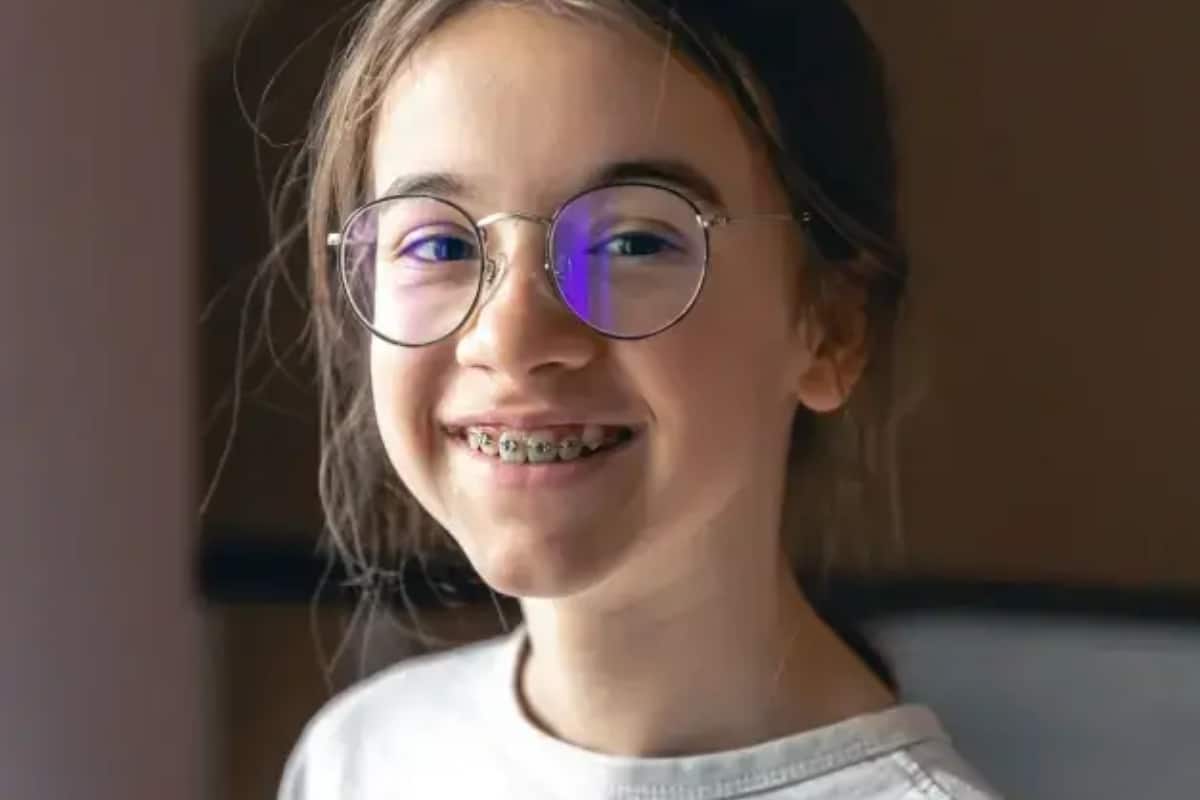
Your child still has baby teeth, so you might assume orthodontic care is several years away. But a first evaluation is about more than deciding when to get braces. It gives an orthodontist a chance to see how the jaws and permanent teeth are developing, even if your child’s smile looks fine.
The American Association of Orthodontists recommends an initial orthodontic evaluation no later than age seven. That does not mean most seven-year-olds need treatment. It means this is a useful age to check for developing concerns that are not always visible to parents.
Why Is Age Seven an Important Milestone?
By this age, many children have a combination of primary and permanent teeth. An orthodontist can assess how their upper and lower teeth fit together, check available space, and look for signs that jaw growth or tooth eruption may need closer attention.
Dr. Christopher Spoonhower has practiced orthodontics for more than 20 years. After earning his dental degree at Case Western Reserve University, he completed two and a half years of specialty orthodontic training there and earned a master’s degree in dentistry. His training helps inform evaluations of developing bites and decisions about whether to treat or monitor a child.
Does an Early Evaluation Mean Early Braces?
No. Many children need only periodic observation while their adult teeth come in. Some benefit from Phase 1, or interceptive, treatment while they are still growing. Its purpose is to address a specific problem at an appropriate developmental stage, not to straighten every tooth early.
Possible reasons for early intervention include a crossbite, a significant bite discrepancy, certain eruption problems, or crowding that needs further assessment. Early orthodontic treatment can be useful in selected cases, but it does not guarantee that a child will avoid extractions, braces as a teen, or a second phase of treatment.
What Signs Should Parents Watch For?
Consider arranging an evaluation if you notice:
- Upper and lower teeth that do not meet comfortably
- A jaw that shifts noticeably when your child bites
- Significant crowding or unusual spacing
- Early or delayed loss of baby teeth
- Difficulty biting or chewing
- Prolonged thumb or finger sucking that affects the bite
Mouth breathing or snoring also warrants a discussion with your child’s pediatrician; an orthodontic evaluation may be useful when a bite or jaw concern is present.
What Happens During the First Appointment?
Spoonhower Orthodontics Hilliard offers complimentary initial consultations. The practice says the visit takes approximately one hour and includes a clinical examination, diagnostic records such as X-rays or photographs as appropriate, and a discussion of the findings. Dr. Spoonhower explains whether your child could benefit from treatment now, monitoring, or reassessment later.
Bring any recent panoramic X-rays you have, insurance information, and your questions. A parent or legal guardian should accompany a patient under 18.
Give Your Child a Head Start on Understanding Their Smile
If your child is approaching seven, or you have noticed a developing bite concern, schedule a consultation with Spoonhower Orthodontics Hilliard. An early visit can provide answers even when treatment is not needed right away.
Related Articles

Let’s Build You a Smile
You’ll Be Proud Of.